
The way you feel right now is not going to last. The first 48 hours after a herpes diagnosis are arguably the hardest, and almost everyone who has been through them says the same.
I have herpes too. I was diagnosed with HSV-2 in September 2020, and I've been living with it for almost six years. Back then I had no information, a lot of shock, and no idea what my future was going to look like. That combination is exactly what makes the first couple of days feel so heavy.
Maybe you got your result from a blood test, or maybe you had symptoms and a swab came back positive. Maybe your doctor barely explained it and sent you off with a prescription. I know what that's like. Here's what I'd want you to hear first, and what I'd do next if I were just diagnosed.
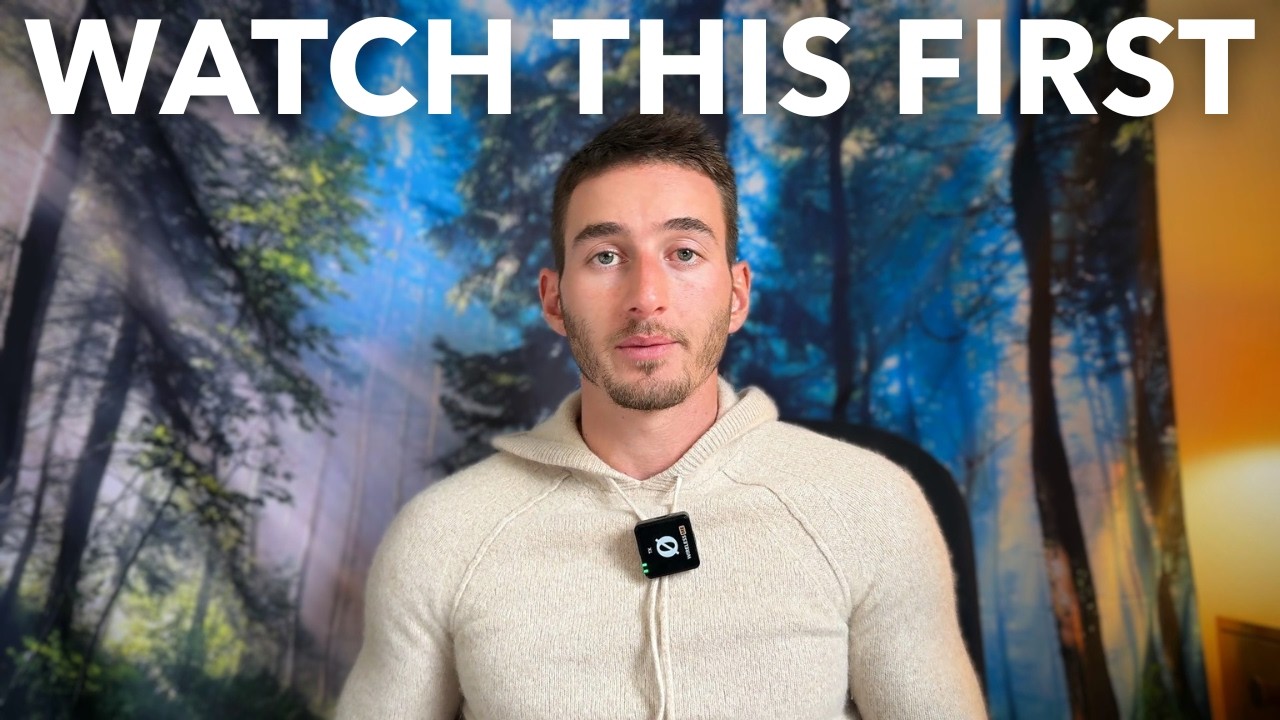
Prefer to watch? This guide is based on my video above.
Why the first days feel so bad
You're dealing with three things at once: a lack of information, the initial shock, and a huge amount of uncertainty about the future. Your mind can go to some very dark places. Maybe your life is over. Maybe nobody will accept you. Maybe you'll have painful outbreaks forever.
When I was diagnosed, my mind was in shock for the first couple of weeks. I couldn't look at my diagnosis objectively. I was spiraling, convinced that this was how it would be for the rest of my life. Then, after a couple of weeks, I calmed down and started asking a more useful question: how do I deal with this now?
That gap is normal. In the early stages it's very hard to feel normal, and that has nothing to do with whether you actually are fine.
The stigma is the part that's hurting you
If you feel ashamed, like you made a mistake, or like you're somehow less than, it's worth knowing where that feeling comes from. We were all raised to treat sex as a taboo act and to see sexually transmitted infections as something far worse than catching a common cold. Cold sores, the ones people brush off and talk about casually, are herpes too.
That stigma is misleading and harmful, and it was built by the culture around us. It isn't based on the science of the virus. Learning where it came from helped me more than almost anything else, because it let me ask a better question: do I actually need to feel this way, or is this something I can detach from?
The stigma is yours to reject or accept.
Where to look for information (and where not to)
Right now you're probably searching for answers, and the number one thing I don't want you to do is spend all your time on Reddit or in Facebook groups. Those spaces can help a little, but a lot of what you'll find there is people echoing the same shame back and forth.
There's also a catch. People who are living confidently with herpes usually aren't posting about it online. So when you go looking for others in your situation, you often end up surrounded by people who are just as stuck as you, or more. Read a thread full of "another failed disclosure" posts and you might decide that's what your future holds. It isn't a fair sample.
If you're watching or reading this, you're already a step ahead. You're looking for insight from someone who has been where you are and came out the other side.
What to do in the first 90 days
Before you even think about dating, I'd give yourself about 90 days. Take some time for yourself. Watch a whole season of a show you love, which is what I did, or catch up on self-care. Then work through these three things.
-
Get properly educated
Start with Terri Warren's updated herpes handbook, or her book The Good News About the Bad News. Stick to medical sources and stay out of the forums. Once you understand transmission, how common herpes is and how prevention works, a lot of the fear settles down. You'll also learn that if you do get outbreaks later, which isn't guaranteed, they're usually not nearly as painful as the first one. My first outbreak was an eight out of ten. My recurring ones have been a one or a two.
-
Detach from the stigma
You don't have to take your self-worth, your future, your dating life or your self-image from what the stigma says. If someone is going to shame me for something I got sexually, when that person is probably out there pursuing sex too, I know how to read that. You can't take someone's criticism to heart if you don't believe what they're saying is true. That's the benefit: you stop being ashamed.
-
Remind yourself you're the same person
See your friends. Keep your hobbies. Get the haircut, do the self-care, do the things you used to do. It may feel like you no longer deserve them, but you do. Every time you act like the same person, you feel more like one. The goal is to think "I'm me, and I happen to have herpes," not "there was my life before herpes and my life after it."
These three things are really the first two steps of my 3-step system. Getting educated and detaching from the stigma make up step one, knowledge and stigma. Reminding yourself you're the same person is step two, confidence and self-worth, because it works by changing what you believe about your diagnosis. Step three, dating and disclosure skills, comes later, once you feel steady.
If you've been scrolling through old photos and thinking you're a totally different person now, that's the shock talking. It isn't true, and it won't last.
When you're ready to date
You don't need to rush back to dating. When you do decide to, here's a reframe I'd offer even this early on.
Your brain's easiest way to avoid rejection is to feed you self-defeating language, make you dislike yourself and talk you out of dating altogether. Do the opposite. Picture the partner you actually want: someone loving and accepting, who doesn't judge or shame you, who wants to learn more and sees you beyond your diagnosis. Keep that picture in your head, and it will help you date and have the conversation about sexual health with confidence.
You might still get a bad reaction. Somebody might say "ew, you're so gross." Today that might make you want to quit dating for good. But once you understand your worth, you realize that person isn't someone you were missing out on. Your diagnosis becomes a filter. It helps you find the person who likes everything about you, including the fact that you have herpes, and who may already understand it, may have dated someone with it, or may have it themselves. I've had conversations where the other person turned out to have herpes too.
My first disclosure was nerve-racking, and it went well. She was confused at first, but once I answered her questions and she saw I still had plenty to offer, we dated for a couple of months. It ended for other reasons, which is dating. Whether your first conversation goes well or not, you can walk away from it fine. What I see most often is people holding themselves back, not other people saying no. If you want to get ahead of that, read how to tell someone you have herpes.
One more thing if your first conversation goes well. Some people feel a strange doubt afterward, like "Do I even deserve this?" That's why the 90 days matter. Your life doesn't have to change, and a successful first conversation doesn't mean you owe anyone anything. Herpes is a very tiny speed bump, not a roadblock that ends your dating life.
Key takeaways
- How you feel in the first 48 hours is the hardest it will be, and it does not last.
- Get your information from medical sources, not from forums that echo the same shame.
- The stigma is a cultural story, and you can choose whether to accept it.
- Keep your friends, hobbies and routines so you stay the same person you were before.
- Give yourself about 90 days to settle before dating, then date for people who like you for you.
Common questions
What should I do first after a herpes diagnosis?
Give yourself some time, learn from reliable medical sources, and avoid making big decisions while you're in shock. Terri Warren's herpes handbook is a good place to start.
Will my life be the same after a herpes diagnosis?
It can be, and it can even be better. You are still the same person with the same friends, habits and worth, and herpes is a speed bump, not a roadblock.
Should I join herpes support groups or Reddit after being diagnosed?
Be careful with them. They can help a little, but they are often full of people echoing the same shame, and the people living confidently with herpes usually are not posting there.
Are herpes outbreaks always as painful as the first one?
Not necessarily. Outbreaks are not guaranteed, and when they come they are often much milder than the first. My first was an eight out of ten and my recurring ones are a one or a two.